Case Study 06
Real-World Lane Detection
Classical computer vision under adverse conditions
The Problem
Classical lane-detection pipelines built on edge detection tend to work well in demo conditions and fall apart in the real world — shadows, motion blur, and harsh lighting all break fixed-threshold approaches. The goal was to deliberately stress-test a pipeline against those conditions rather than only evaluate it on clean footage.
Approach
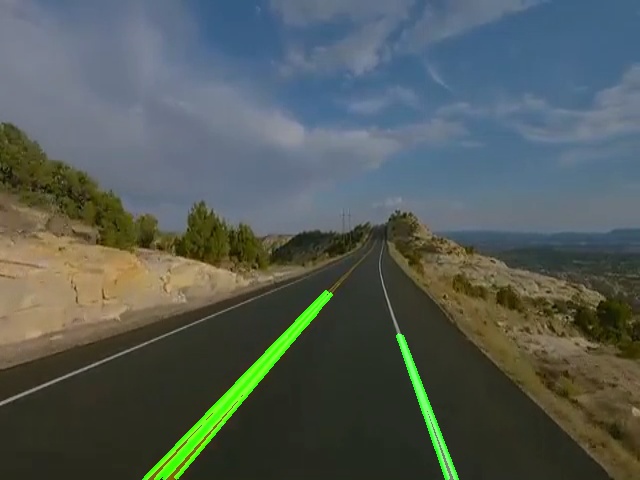
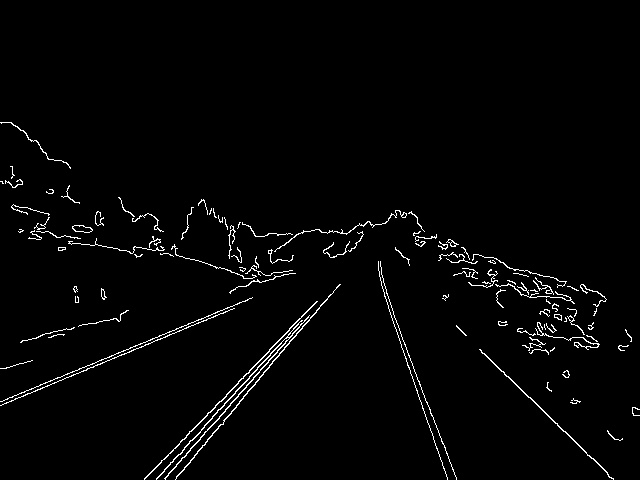
- 01Built a classical computer vision pipeline using Canny edge detection and Hough transform to identify lane lines from road images.
- 02Deliberately stress-tested the pipeline against adverse conditions — shadows, motion blur, and bright/overexposed lighting — rather than only clean, ideal frames.
- 03Improved robustness with adaptive thresholding (replacing fixed thresholds), histogram equalization for lighting normalization, and slope filtering to reject spurious edge detections.
Visuals
Results
Adaptive-threshold pipeline reduced false lane detections compared to the fixed-threshold baseline.
Maintained detection reliability across shadow, motion-blur, and bright-light test conditions.
Reflection
Classical CV techniques like Canny and Hough are fast and interpretable, but this project made clear how fragile fixed-threshold approaches are outside ideal lighting. Adaptive thresholding closed a lot of that gap without needing to reach for a deep-learning-based approach.